

Tiny Particles, Big Questions
Water is essential for every cell in our body. But recent studies show microplastics — tiny plastic particles smaller than 5 millimeters — are now detectable in tap and bottled water worldwide. These particles come from single-use bottles, food packaging, synthetic clothing fibers, and environmental plastic waste.
Why Awareness Matters
Microplastics are invisible. They do not change taste or cause immediate symptoms, yet early research suggests repeated exposure could contribute to inflammation, oxidative stress, or endocrine interactions. While long-term effects are still being studied, the detection of microplastics transforms hydration from a personal habit into a public health and environmental issues.
Simple Steps Toward Cleaner Hydration
- Check Your Water Quality: Review your local Consumer Confidence Report (CCR) to see what’s in your tap water.
- Reduce Single-Use Plastics: Opt for reusable bottles and packaging when possible.
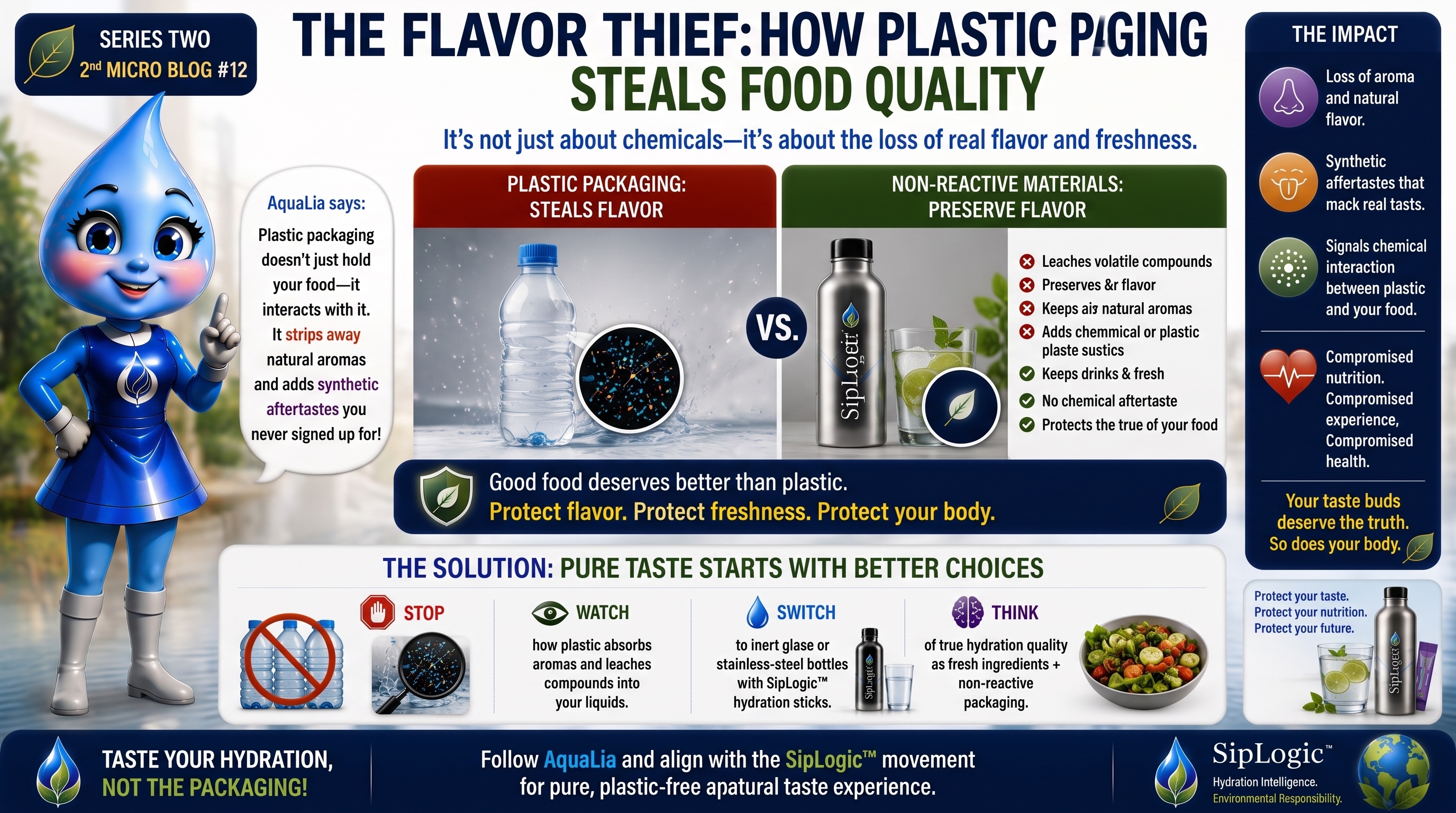
- Choose Safe Storage Materials: Glass or stainless steel reduces potential microplastic contamination.
- Stay Informed: Keep up with emerging research on water quality and microplastics.
Hydration is powerful only when the water you drink is clean. Take small steps today: choose safe storage, filter wisely, and stay informed.
To learn more about improving daily hydration and mindful water choices, read our full article: Microplastics in Drinking Water: Key Facts. Don’t forget to let us know if this information is helpful — we value your feedback.



Leave a Reply